My writing explores how systems of power shape both political institutions and cultural narratives. From medieval struggles between church and monarchy to modern debates about capitalism, empire, and geopolitics, these essays examine how authority is constructed, contested, and represented across history and media.
At the same time, my work on cinema investigates how film engages questions of ethics, migration, and social identity, revealing how cultural narratives reflect and challenge the structures of power that shape the modern world.
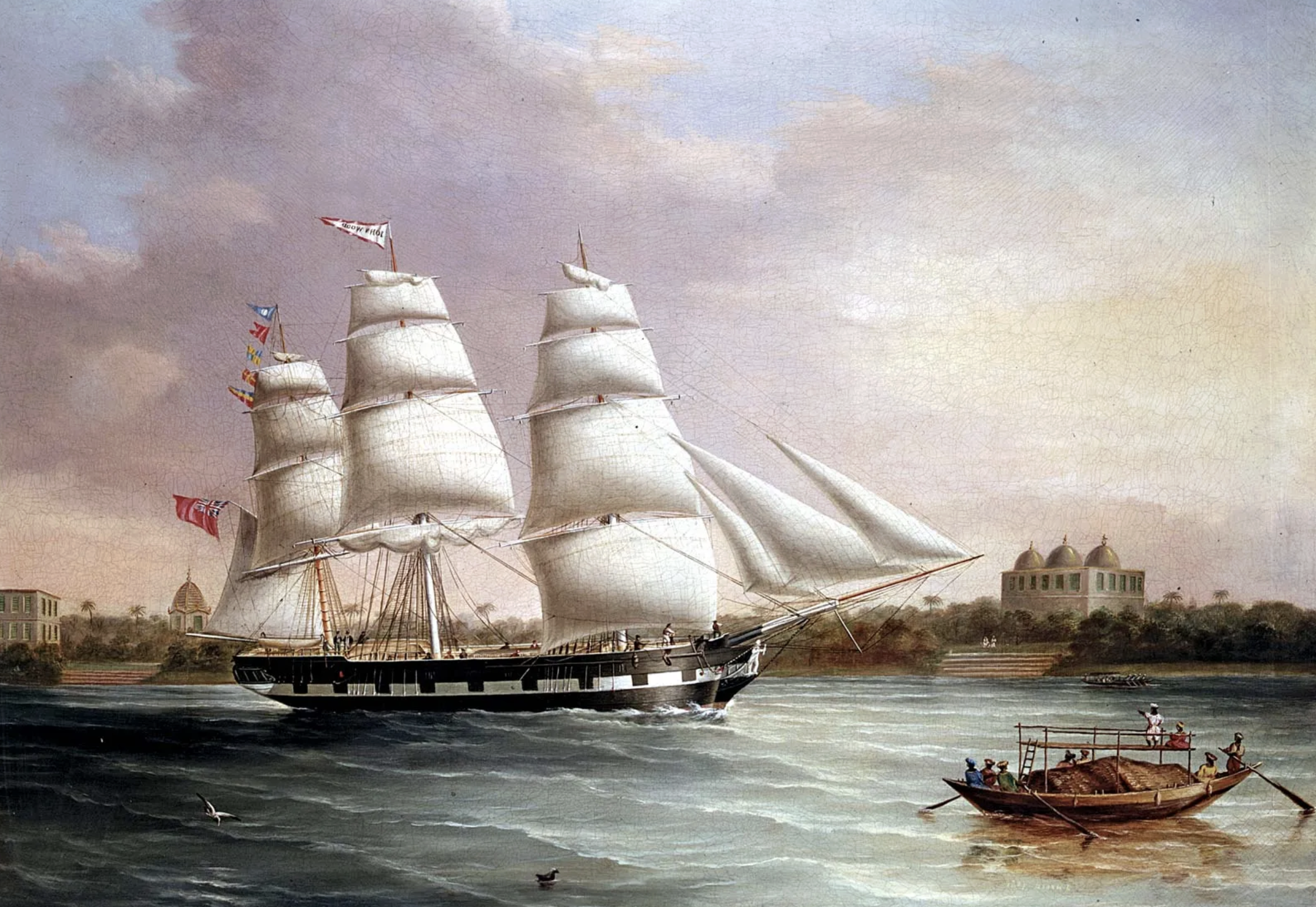
Philip IV vs Boniface VIII
This paper examines the conflict between Philip IV of France and Pope Boniface VIII, a turning point in the decline of papal supremacy. It argues that the French monarchy's growing administrative power, legal institutions, and fiscal needs enabled Philip IV to challenge traditional papal authority. The conflict ultimately marked a broader shift toward the emergence of secular state sovereignty.
This essay explores the relationship between early modern capitalism and geopolitical rivalry. Focusing on the so-called "Venetian model," it examines how European powers sought economic dominance through trade monopolies, colonial expansion, and control of global routes. The paper argues that the rise of capitalism was deeply intertwined with imperial competition and the political economy of empire.
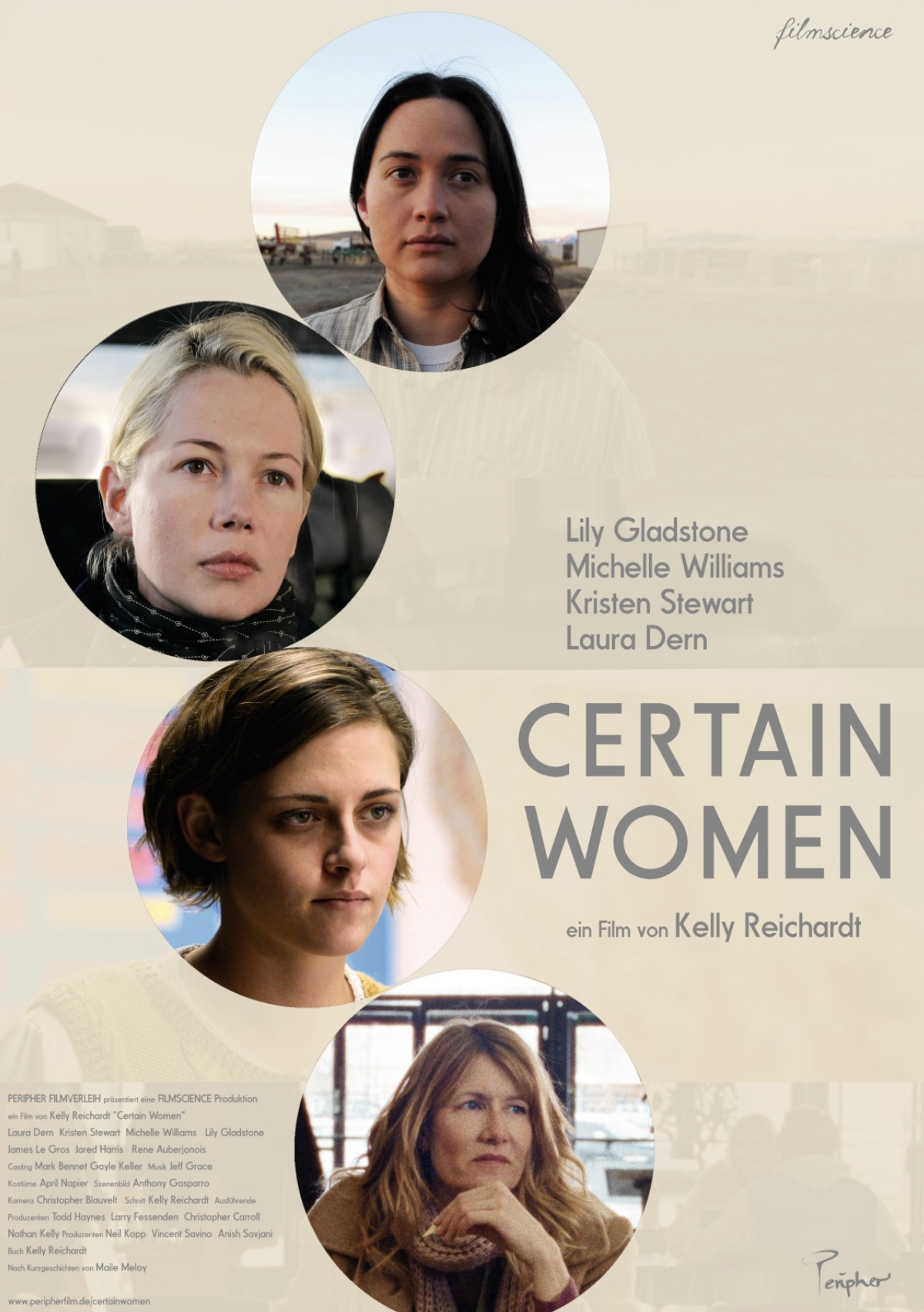
This essay analyzes Kelly Reichardt's Certain Women through feminist film theory, drawing on the work of Laura Mulvey and Linda Williams. It argues that the film's minimalist style, slow pacing, sparse dialogue, and observational framing, quietly challenges the traditional cinematic "male gaze." Rather than spectacle or resolution, Reichardt's film foregrounds the everyday experiences and subjectivity of its female characters.
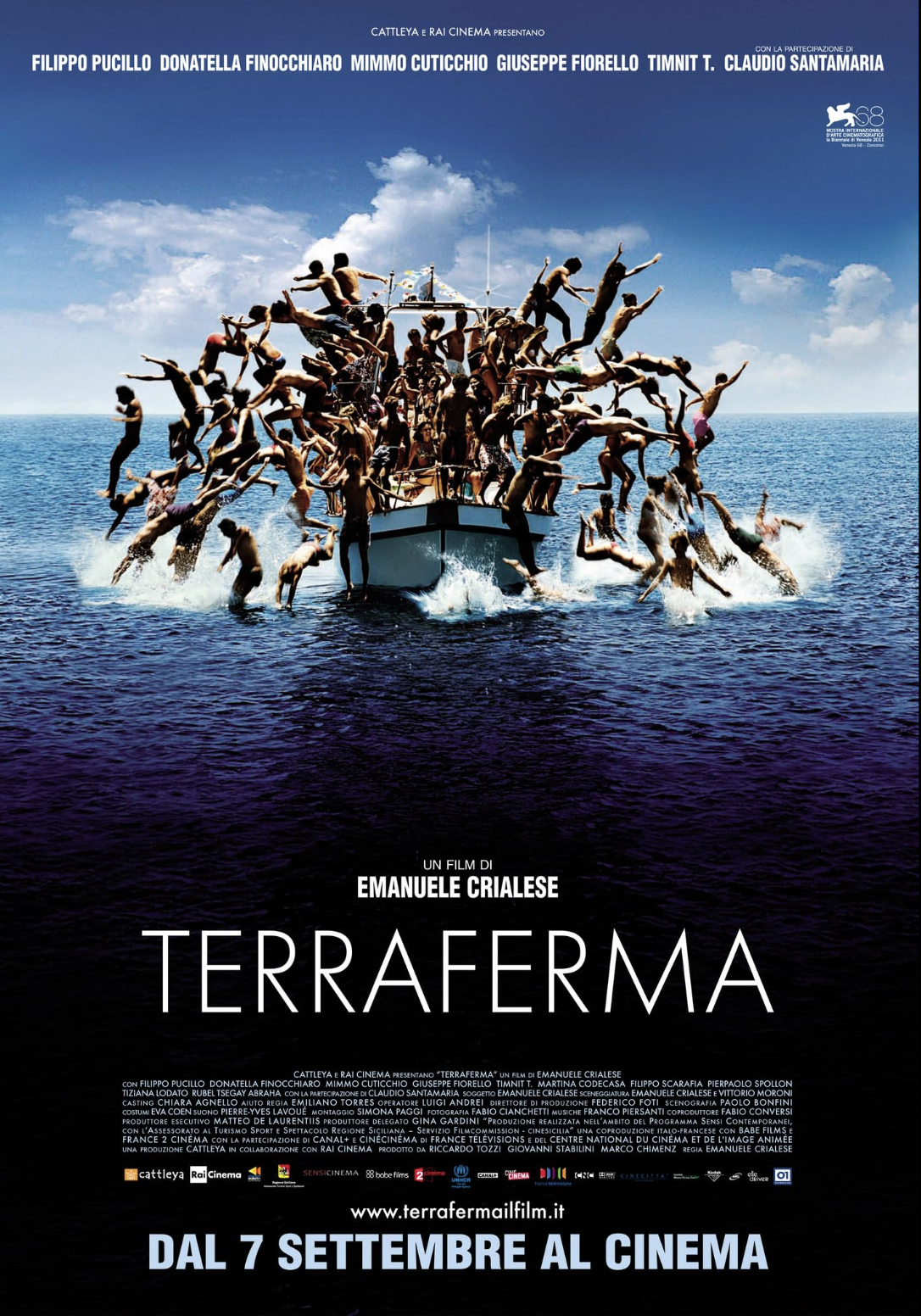
This essay examines Emanuele Crialese's Terraferma and its portrayal of migration in contemporary Italy. Through the story of a fishing family on the island of Lampedusa, the film reveals the tension between humanitarian values and restrictive immigration laws. The essay argues that the film highlights how ordinary individuals become caught between legal systems, economic pressures, and moral responsibility.
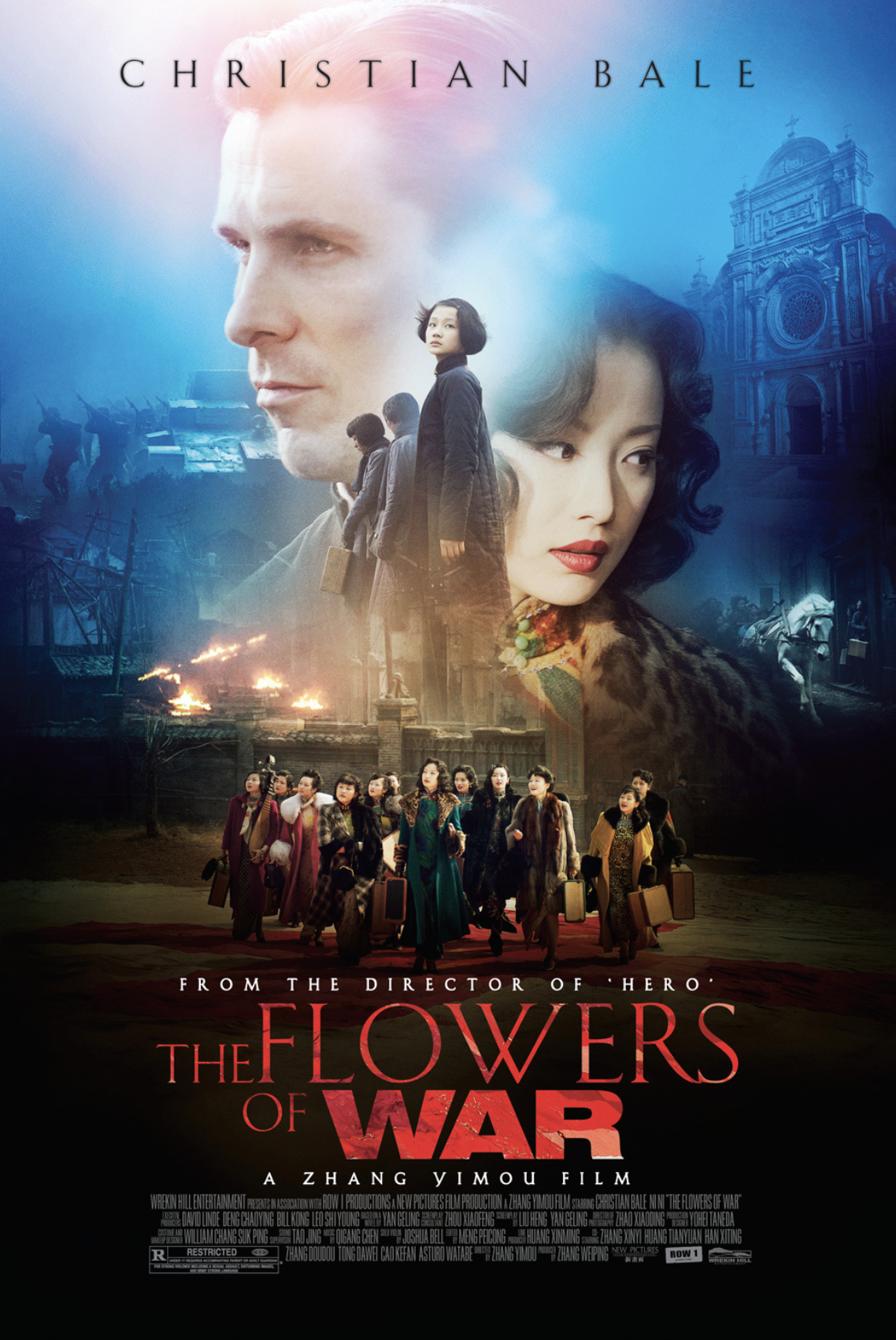
This essay examines the moral meaning of sacrifice in Zhang Yimou's The Flowers of War, set during the Nanjing Massacre. Through analysis of key characters and scenes, it explores how the film presents different motivations for sacrifice—from duty to compassion. Drawing on Confucian ideas such as yi (righteousness), the essay argues that the film frames sacrifice less as heroic outcome than as moral intention.